%2Ffit-in%2F250x250%2Fguide_websites%2F5795%2Fimages%2F1768866381074241499248_1510650095972441_9187390263212027350_n.jpg&w=1200&q=100)
/users/42640adc-5a83-4206-8b52-8d4517248eef/ratecard/14.jpg)
%2F300x300%2Fusers%2F42640adc-5a83-4206-8b52-8d4517248eef%2Fratecard%2F14.jpg&w=256&q=75)
%2F300x300%2Fusers%2F42640adc-5a83-4206-8b52-8d4517248eef%2Fimages%2F474073051_2377900142580761_7192662278537744355_n-mkls1ngs.jpg&w=256&q=75)
%2F300x300%2Fusers%2F42640adc-5a83-4206-8b52-8d4517248eef%2Fimages%2Fsix-muskellunge-panama-city-2640.jpg&w=256&q=75)
%2F300x300%2Fusers%2F42640adc-5a83-4206-8b52-8d4517248eef%2Fimages%2Ffishing-trip-florida-2447.jpg&w=256&q=75)
%2F300x300%2Fusers%2F42640adc-5a83-4206-8b52-8d4517248eef%2Fimages%2F6-muskellunge-caught-florida-2633.jpg&w=256&q=75)
%2F300x300%2Fusers%2F42640adc-5a83-4206-8b52-8d4517248eef%2Fimages%2Fpanama-city-fishing-adventure-2400.jpg&w=256&q=75)
%2F300x300%2Fusers%2F42640adc-5a83-4206-8b52-8d4517248eef%2Fimages%2Fredfish-panama-city-angler-2424.jpg&w=256&q=75)
%2F300x300%2Fusers%2F42640adc-5a83-4206-8b52-8d4517248eef%2Fimages%2Fangler-big-fish-florida-2425.jpg&w=256&q=75)
%2F300x300%2Fusers%2F42640adc-5a83-4206-8b52-8d4517248eef%2Fimages%2Fgreat-fishing-fl-2513.jpg&w=256&q=75)
%2F300x300%2Fusers%2F42640adc-5a83-4206-8b52-8d4517248eef%2Fimages%2Ffishing-trip-florida-2506.jpg&w=256&q=75)
%2F300x300%2Fusers%2F42640adc-5a83-4206-8b52-8d4517248eef%2Fimages%2Fgag-grouper-panama-city-fishing-2436.jpg&w=256&q=75)
Panama City Bottom Fishing PCB Water Adventures
 Panama City Beach
What you will be catching:
 Cobia
Cobia Crevalle Jack
 Gag Grouper
 King Mackerel
 Spanish Mackerel
 Wahoo Fish
- Offshore bottom fishing targeting multiple species January-April
- Maximum 4 guests ensuring comfortable fishing experience
- All fishing gear provided by PCB Water Adventures
Trip Pricing and Availabilities:
Panama City Bottom Fishing: Winter's Best Action
When the water temperatures drop and the baitfish stack up offshore, Panama City becomes a bottom fishing paradise. From January through April, we're talking about some of the most consistent rod-bending action you'll find in the Gulf. This isn't your typical casting-and-hoping trip – we're heading to productive bottom structure where fish are actively feeding. Whether you've been fishing these waters for decades or you're just getting your feet wet, this four-person charter delivers the kind of variety that keeps everyone busy. Pack your cooler with snacks and drinks, slather on the sunscreen, and get ready for a day where the fish finder stays lit up.
What to Expect on the Water
We'll be targeting structure anywhere from 60 to 120 feet, depending on where the bite is hottest. The winter months bring cooler surface temps, which pushes baitfish deeper and concentrates predators around hard bottom, ledges, and artificial reefs. You're looking at a half-day to full-day experience where we anchor up on productive spots and work the bottom systematically. The beauty of this fishery is the mixed bag – you never know if the next fish coming over the rail will be a chunky gag grouper, a screaming king mackerel, or a bulldogging cobia. We provide all the tackle, but if you've got a favorite rod setup, bring it along. The action stays steady enough that all four anglers typically stay engaged, with plenty of opportunities for photos and bragging rights.
Bottom Fishing Techniques
We're fishing with medium-heavy conventional gear spooled with 30 to 50-pound test, depending on current and structure. Most of our presentations involve egg sinkers or knocker rigs with circle hooks, keeping baits tight to the bottom where these species feed. Live pinfish, cigar minnows, and cut bait all produce, but we adjust based on what's working that day. The key is reading the electronics – when we mark fish and structure, we position the boat to drift naturally or anchor strategically. You'll learn to feel the difference between a grouper's head shake, a mackerel's screaming run, and a cobia's bulldogging fight. Current plays a huge role in winter fishing, so we time our trips around tidal movement and adjust weight accordingly. Don't worry about technique – we'll get you dialed in quickly and keep you in the fish.
Top Catches This Season
King mackerel are the speed demons of this mix, typically running 15 to 30 pounds during winter months. They roam these offshore waters following baitfish schools and will crush live pinfish or slow-trolled baits. When a king hits, you'll know it immediately – that screaming drag and blistering run toward the surface. They're also excellent table fare, making them a customer favorite for good reason. Wahoo represent the premium catch in this fishery, with their torpedo-shaped bodies and razor-sharp teeth. These fish can push 40 pounds or more and deliver some of the fastest runs you'll experience in Gulf waters. They prefer deeper edges and current breaks, making them less common but incredibly rewarding when they show up.
Crevalle jack bring the muscle to every fight, pound for pound among the strongest fish in these waters. They travel in schools around structure and will hit almost anything you drop down. Expect fish in the 10 to 25-pound range that fight like they're twice that size. Cobia are the curious giants – these fish often approach the boat and can be sight-fished when conditions allow. Winter cobia typically run 20 to 50 pounds and provide sustained, powerful fights that test your endurance. Spanish mackerel add consistent action to the mix, perfect for novice anglers or when you need to get everyone involved. They hit fast and fight hard for their size, typically running 2 to 5 pounds.
Gag grouper are the prize bottom dwellers, using structure and ledges as ambush points. These fish can reach impressive sizes – 20 to 40-pound gags are possible, though most run smaller. They're notorious for diving straight back to cover when hooked, making the first few seconds of the fight critical. Their white, flaky meat makes them a top choice for dinner, and their aggressive feeding behavior around structure keeps things interesting throughout the trip.
Time to Book Your Spot
This January through April window represents some of Panama City's most reliable offshore fishing, with comfortable weather and active fish. The limited four-person capacity means personalized attention and plenty of room to fish without crowding. Winter weather patterns typically provide calmer seas and more fishable days than summer months. PCB Water Adventures knows these waters and the seasonal patterns that make this trip successful year after year. Whether you're targeting dinner or just looking for consistent action, this bottom fishing experience delivers the variety and excitement that keeps anglers coming back. Book now and experience why Panama City's winter bottom fishing has earned its reputation as a world-class fishery.
Learn more about the species
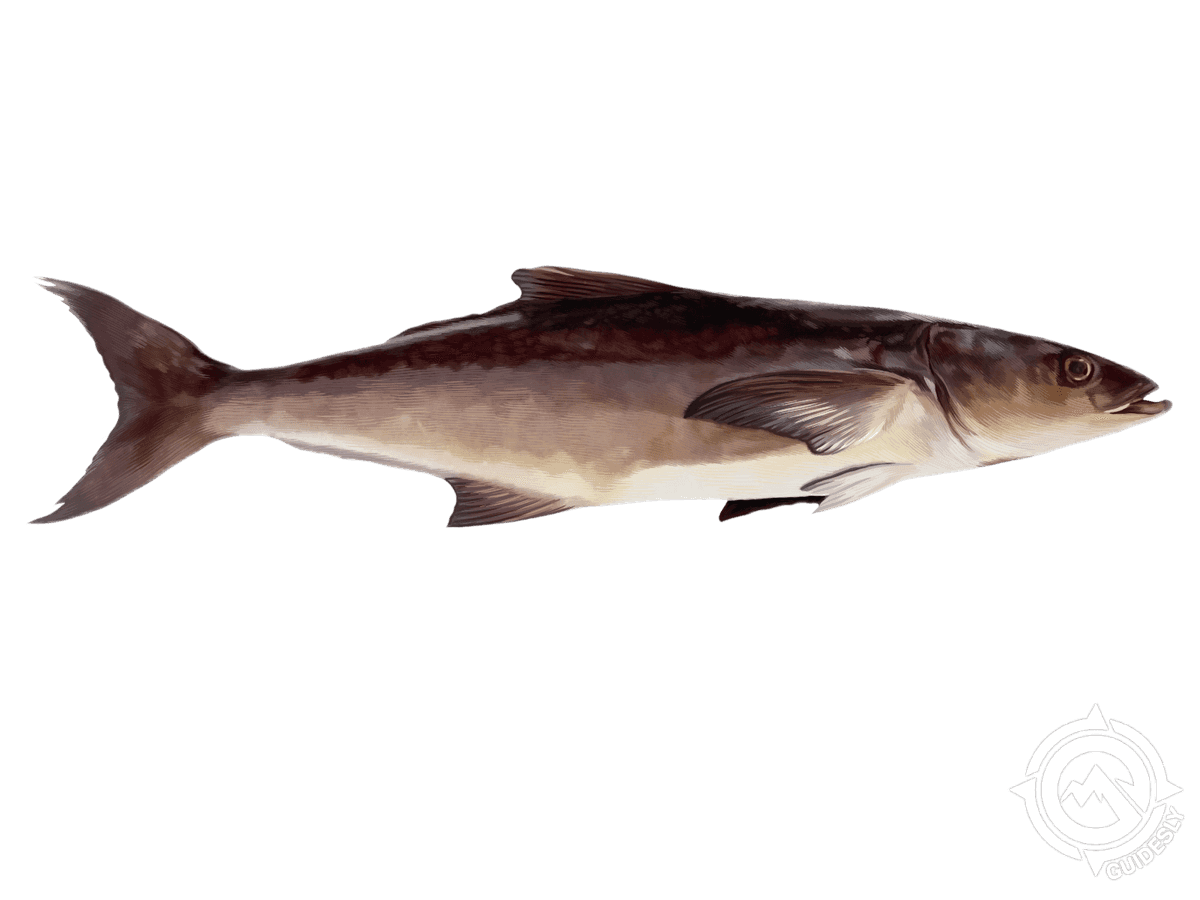
Cobia
Cobia are the "brown sharks" that aren't actually sharks - they cruise alone near the surface around reefs, wrecks, and structures in 30-70 feet. These bruisers average around 40 pounds but can push 100, living up to 12 years. Spring migration from March through May offers prime sight-fishing opportunities when they move through our area. What makes them special is both the visual hunt and that bulldogging fight once hooked, plus they're some of the best eating fish in the Gulf. The firm, white meat rivals any premium fish. Look for that dark brown color just under the surface, often around floating debris or buoys. Bucktail jigs in the 4-8 ounce range work great - color doesn't matter much, just get it in front of them.
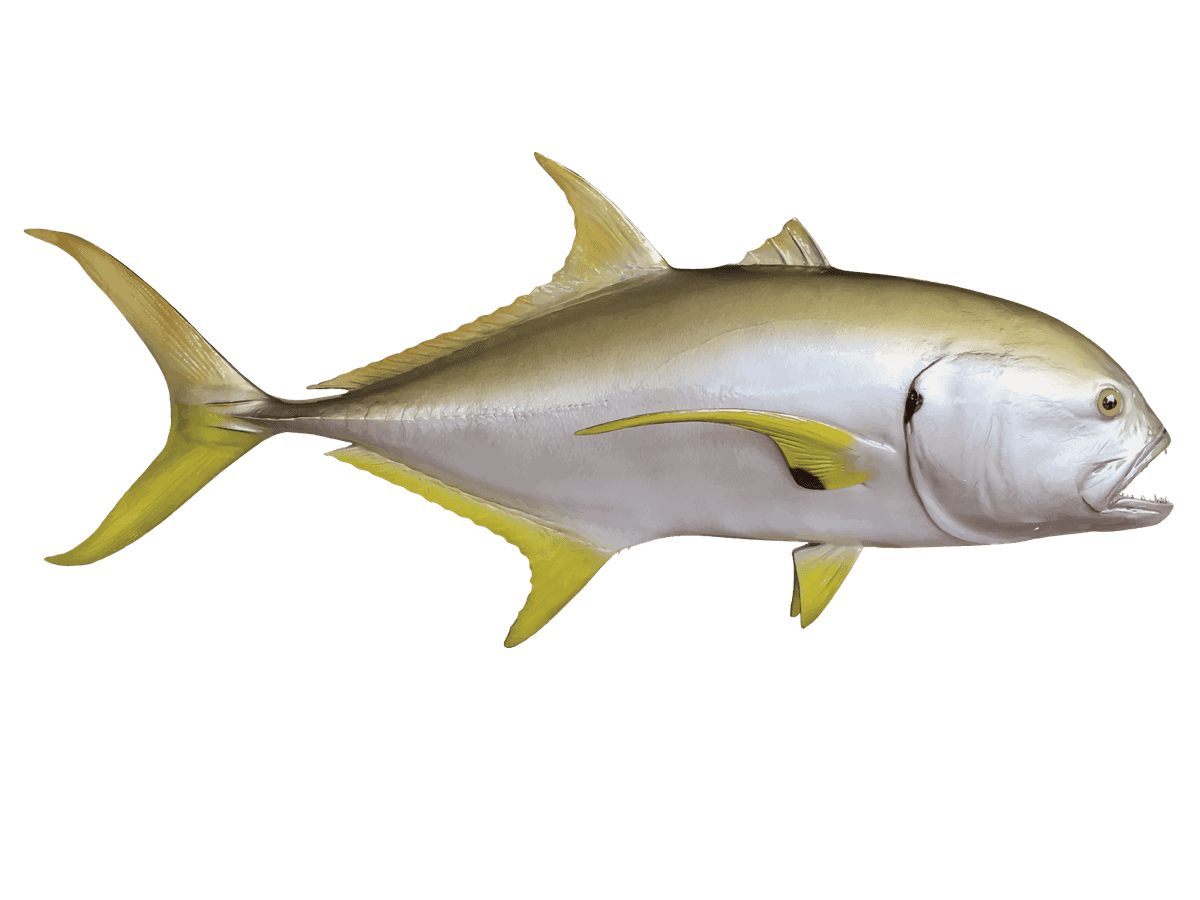
Crevalle Jack
Jacks are the bullies of our waters - stocky, aggressive fighters that average 3-5 pounds but can hit 60. They roam both shallow flats and deeper structure, often pushing baitfish to the surface where diving birds give them away. You'll find them year-round here, but spring and fall feeding frenzies are epic. What guests love is that raw power and stubborn fight - they just don't quit. Plus, some folks swear you can smell watermelon when big schools are feeding nearby. These aren't great table fare, but they're pure fun on light tackle. Watch for bird activity and cast silver spoons or swimbaits past the school, then retrieve fast. They love the chase, so keep that bait moving aggressively.
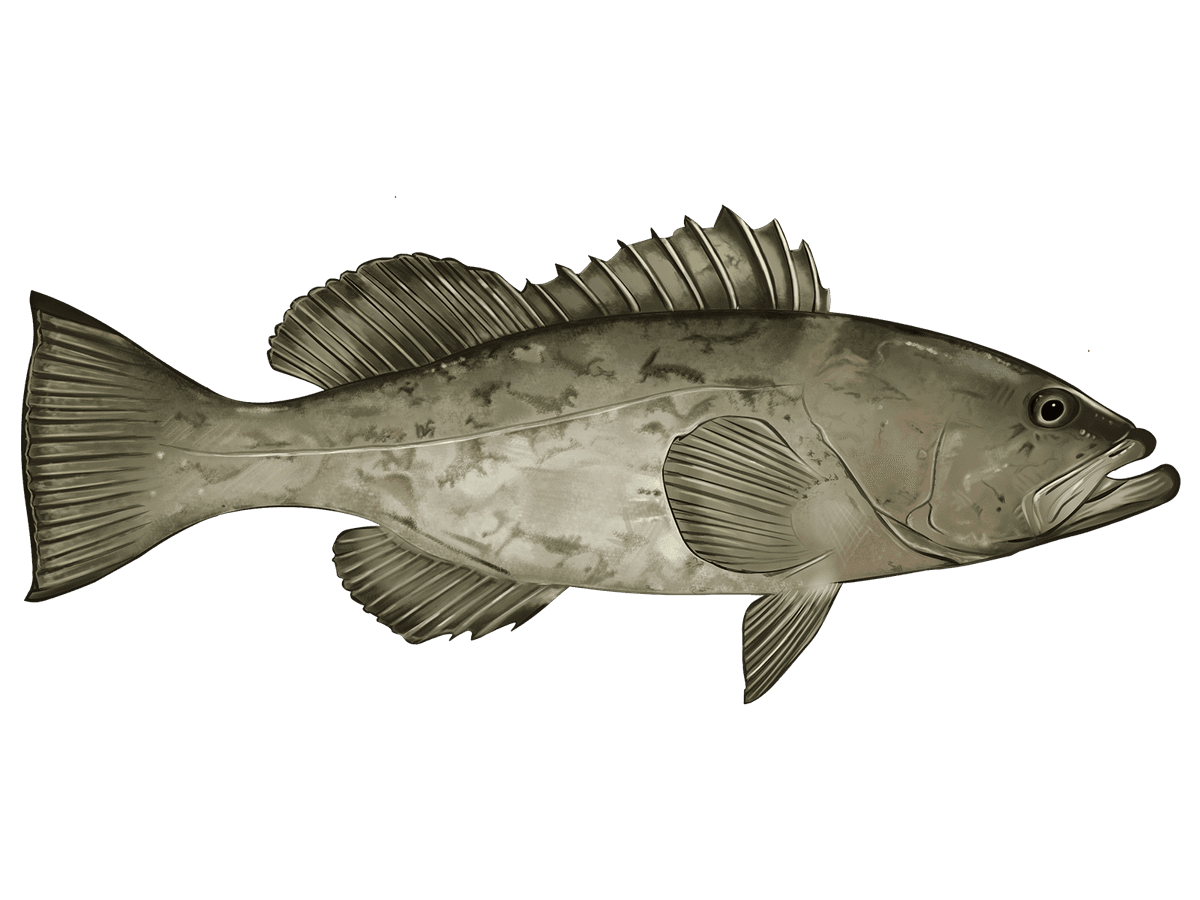
Gag Grouper
Gag grouper are the toughest fighters in our reef structure, averaging 20 inches but growing up to 57 inches and 80 pounds. These gray, marbled-looking fish live around rocky bottoms, reefs, and wrecks from 40-200 feet deep. January through April is prime time since that's when our grouper season runs. What guests love is that initial power dive toward structure and the challenge of stopping them - plus they're outstanding table fare with sweet, white meat. The big ones start as females and change to males as they age. Live pinfish and mullet work best, but fresh cut squid and crab are solid backup baits. Here's the key: once you hook one, lock that drag down and don't let them run - they'll try to get back into the rocks and cut you off every time.
King Mackerel
These speedsters average 30 pounds but can push 90, with females growing much larger than males. Kings cruise our Gulf waters from 40-150 feet, often around structure and drop-offs where they ambush baitfish like blue runners and menhaden. Winter and early spring offer solid action as they move through our area. What makes them special is that blistering initial run - they'll scream drag like few other fish. Plus, their rich, flaky meat makes great table fare if you can handle the mercury content. One tip that saves a lot of heartbreak: always use a wire leader and rig with two hooks since they love hitting the back half of live bait. Once hooked, keep that drag locked tight or they'll dive straight into structure.
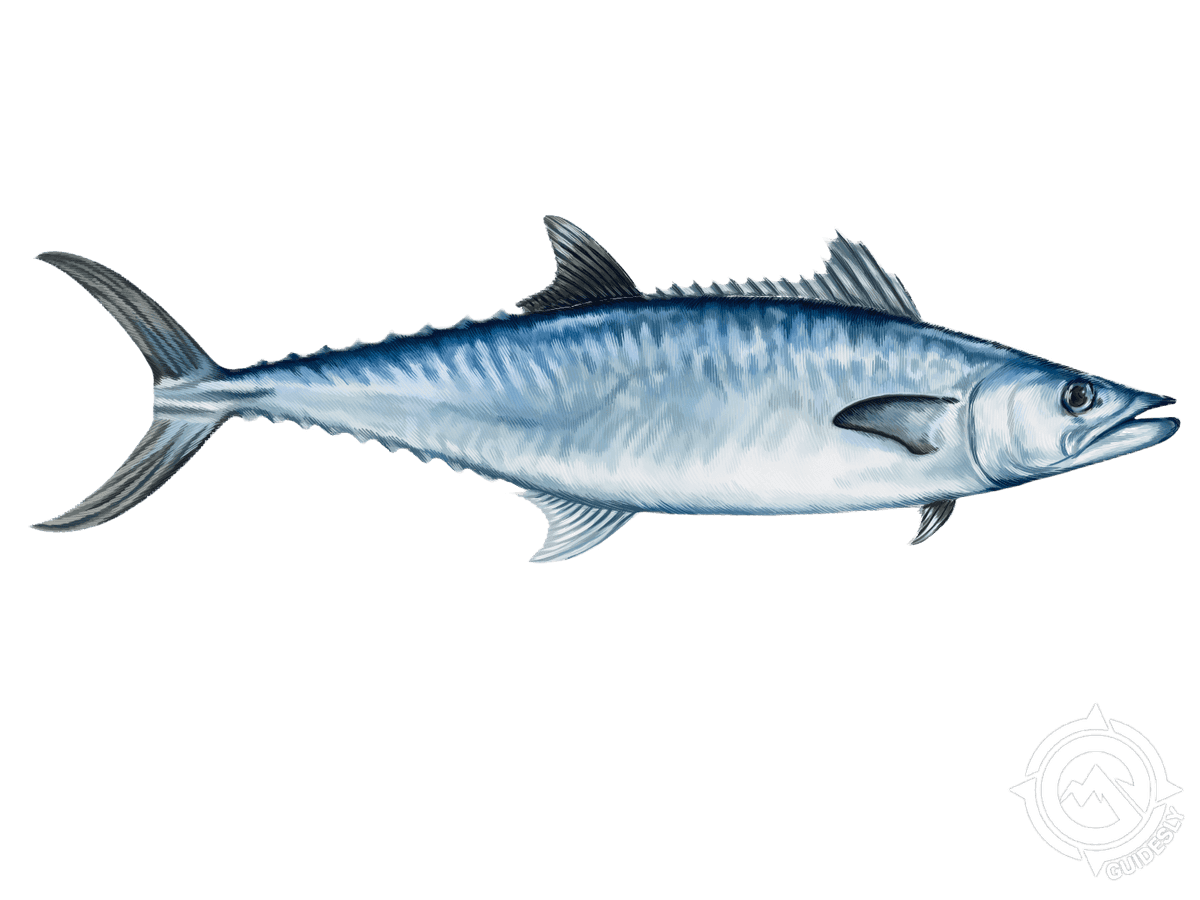
Spanish Mackerel
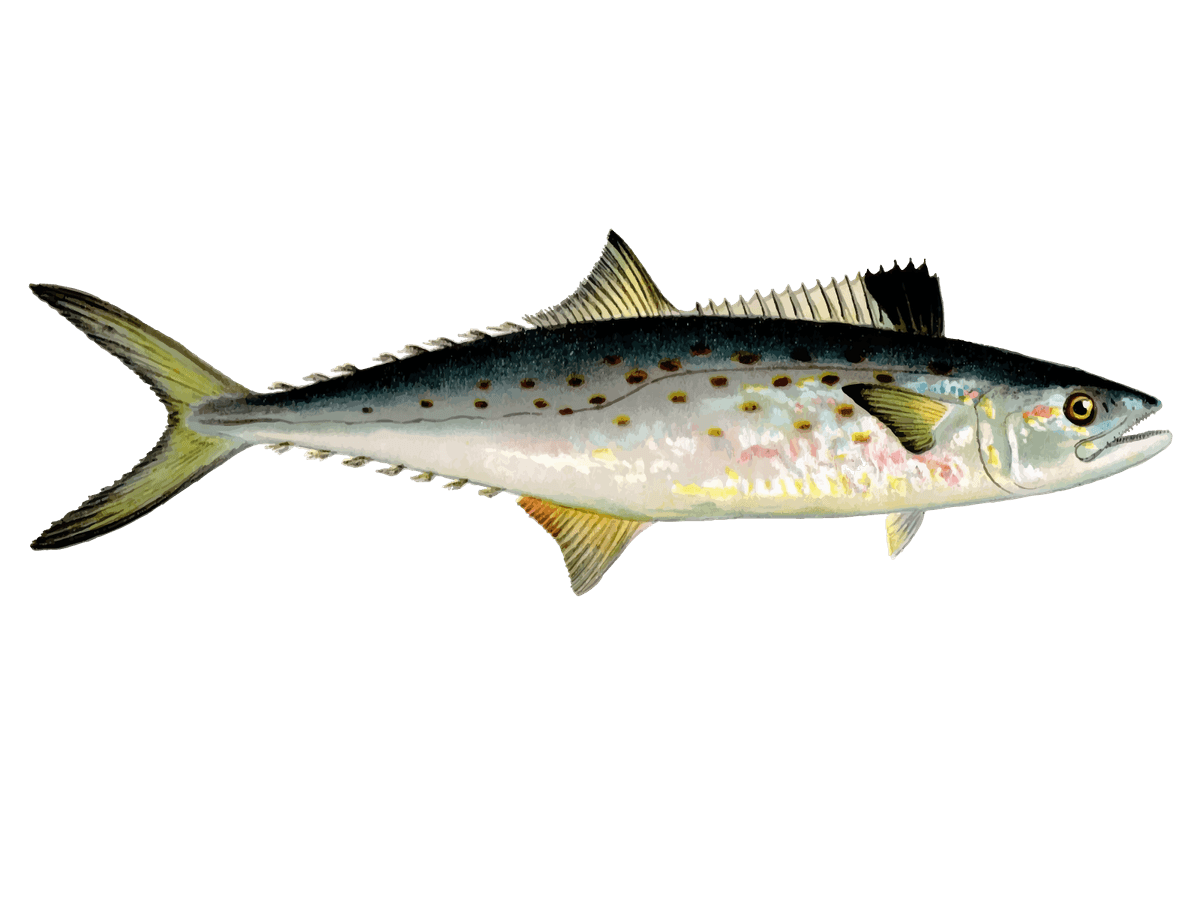
Spanish mackerel are fast, feisty fighters that school up in huge numbers, stretching for miles across our Gulf waters. They average 1-2 feet and 8-11 pounds, swimming at lightning speed near the surface. You'll find them around structures, flats, and oyster bars, especially when water temps warm up in spring through fall. What makes them popular is that aggressive strike, decent fight on light tackle, and excellent table fare - mild, flaky meat that's perfect grilled or smoked. Schools often show up close to shore during warmer months, making them great pier and surf targets. Small shiny spoons and jigs work best. When you see diving birds working the surface, get there fast but drift into position so you don't spook the school.
Wahoo Fish
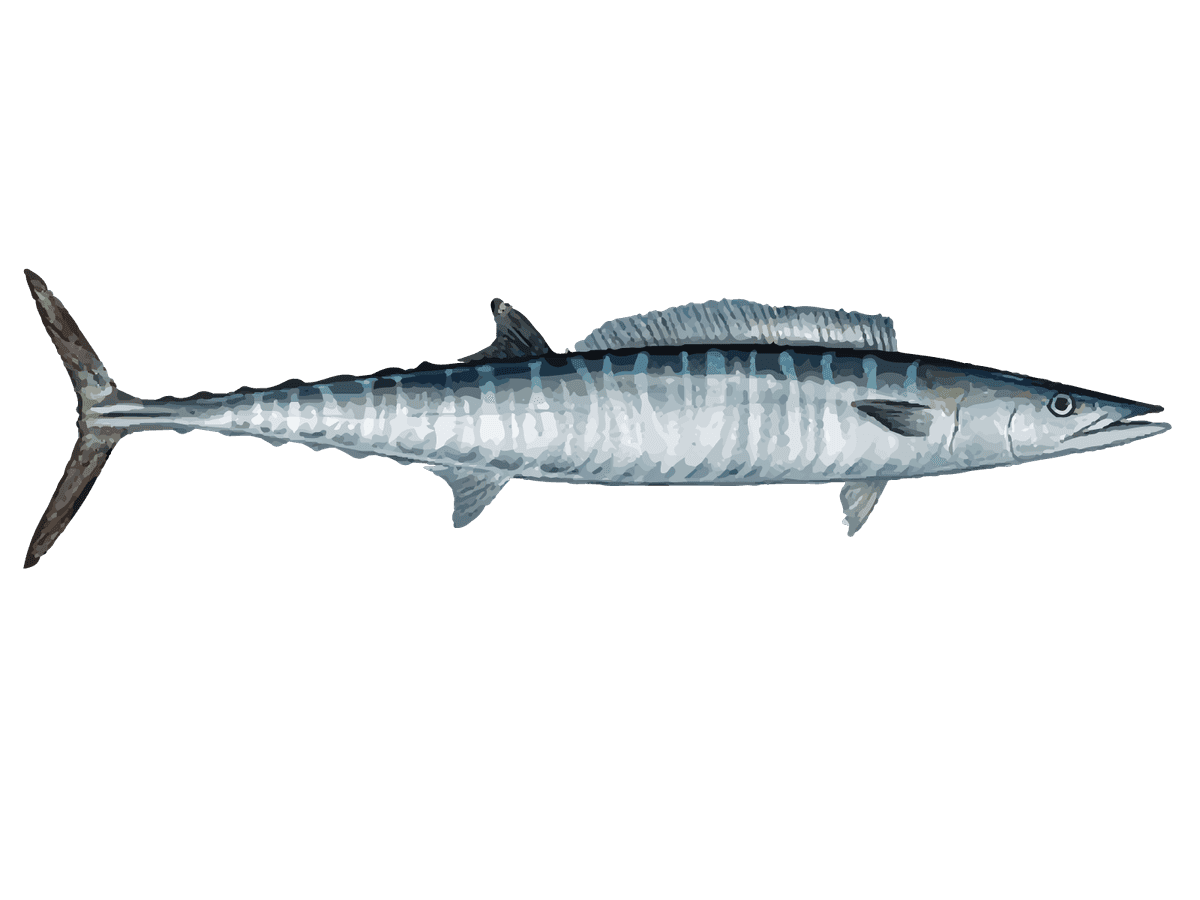
Wahoo are the speed demons of our Gulf waters, hitting 60 mph and averaging 3-5 feet long. These sleek predators cruise open water and around structures like oil rigs, typically in the upper 66 feet. July through November brings peak action here in Florida, especially when water temps stay warm. What draws anglers is that lightning-fast strike and blistering run - plus the meat is absolutely top-shelf eating, sweet and flaky like premium tuna. They're usually loners, so when you hook one, savor it. My go-to technique is high-speed trolling at 12-15 knots with wire leaders since their razor teeth will slice through anything else. Those bullethead lures and minnow imitations work great when you're covering water fast.
About the
%2F%2Fusers%2F42640adc-5a83-4206-8b52-8d4517248eef%2Fboat_picture%2F1.jpg&w=1200&q=75)
Vehicle Guest Capacity: 6
Manufacturer Name: Yamaha
Maximum Cruising Speed: 40
Number of Engines: 2
Horsepower per Engine: 150