%2Ffit-in%2F250x250%2Fguide_websites%2F5795%2Fimages%2F1768866381074241499248_1510650095972441_9187390263212027350_n.jpg&w=1200&q=100)
/users/42640adc-5a83-4206-8b52-8d4517248eef/ratecard/1.jpg)
%2F300x300%2Fusers%2F42640adc-5a83-4206-8b52-8d4517248eef%2Fratecard%2F1.jpg&w=256&q=75)
%2F300x300%2Fusers%2F42640adc-5a83-4206-8b52-8d4517248eef%2Fimages%2F474073051_2377900142580761_7192662278537744355_n-mkls1ngs.jpg&w=256&q=75)
%2F300x300%2Fusers%2F42640adc-5a83-4206-8b52-8d4517248eef%2Fimages%2Fsix-muskellunge-panama-city-2640.jpg&w=256&q=75)
%2F300x300%2Fusers%2F42640adc-5a83-4206-8b52-8d4517248eef%2Fimages%2Ffishing-trip-florida-2447.jpg&w=256&q=75)
%2F300x300%2Fusers%2F42640adc-5a83-4206-8b52-8d4517248eef%2Fimages%2F6-muskellunge-caught-florida-2633.jpg&w=256&q=75)
%2F300x300%2Fusers%2F42640adc-5a83-4206-8b52-8d4517248eef%2Fimages%2Fpanama-city-fishing-adventure-2400.jpg&w=256&q=75)
%2F300x300%2Fusers%2F42640adc-5a83-4206-8b52-8d4517248eef%2Fimages%2Fredfish-panama-city-angler-2424.jpg&w=256&q=75)
%2F300x300%2Fusers%2F42640adc-5a83-4206-8b52-8d4517248eef%2Fimages%2Fangler-big-fish-florida-2425.jpg&w=256&q=75)
%2F300x300%2Fusers%2F42640adc-5a83-4206-8b52-8d4517248eef%2Fimages%2Fgreat-fishing-fl-2513.jpg&w=256&q=75)
%2F300x300%2Fusers%2F42640adc-5a83-4206-8b52-8d4517248eef%2Fimages%2Ffishing-trip-florida-2506.jpg&w=256&q=75)
%2F300x300%2Fusers%2F42640adc-5a83-4206-8b52-8d4517248eef%2Fimages%2Fgag-grouper-panama-city-fishing-2436.jpg&w=256&q=75)
6 Hour Offshore Bottom Fishing Panama City FL
 Panama City Beach
What you will be catching:
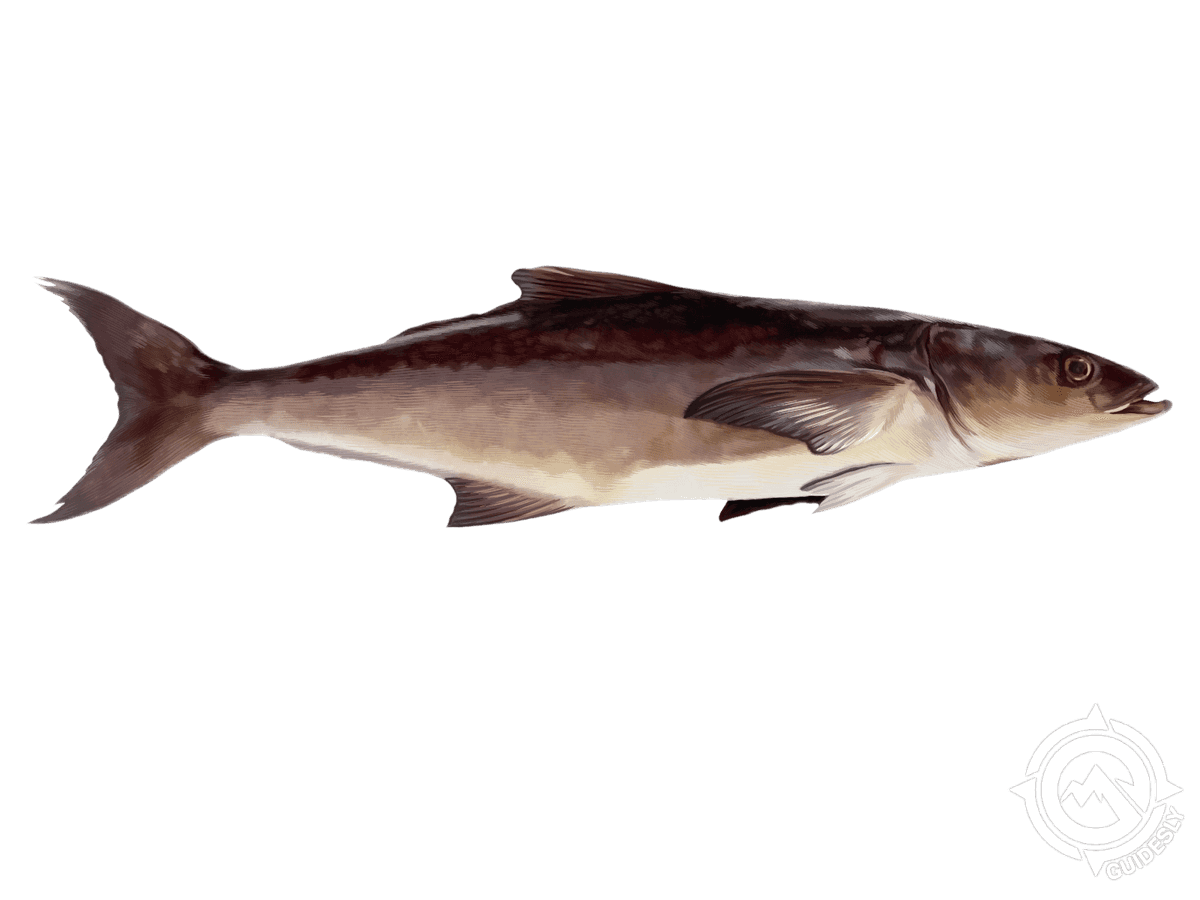
 Cobia
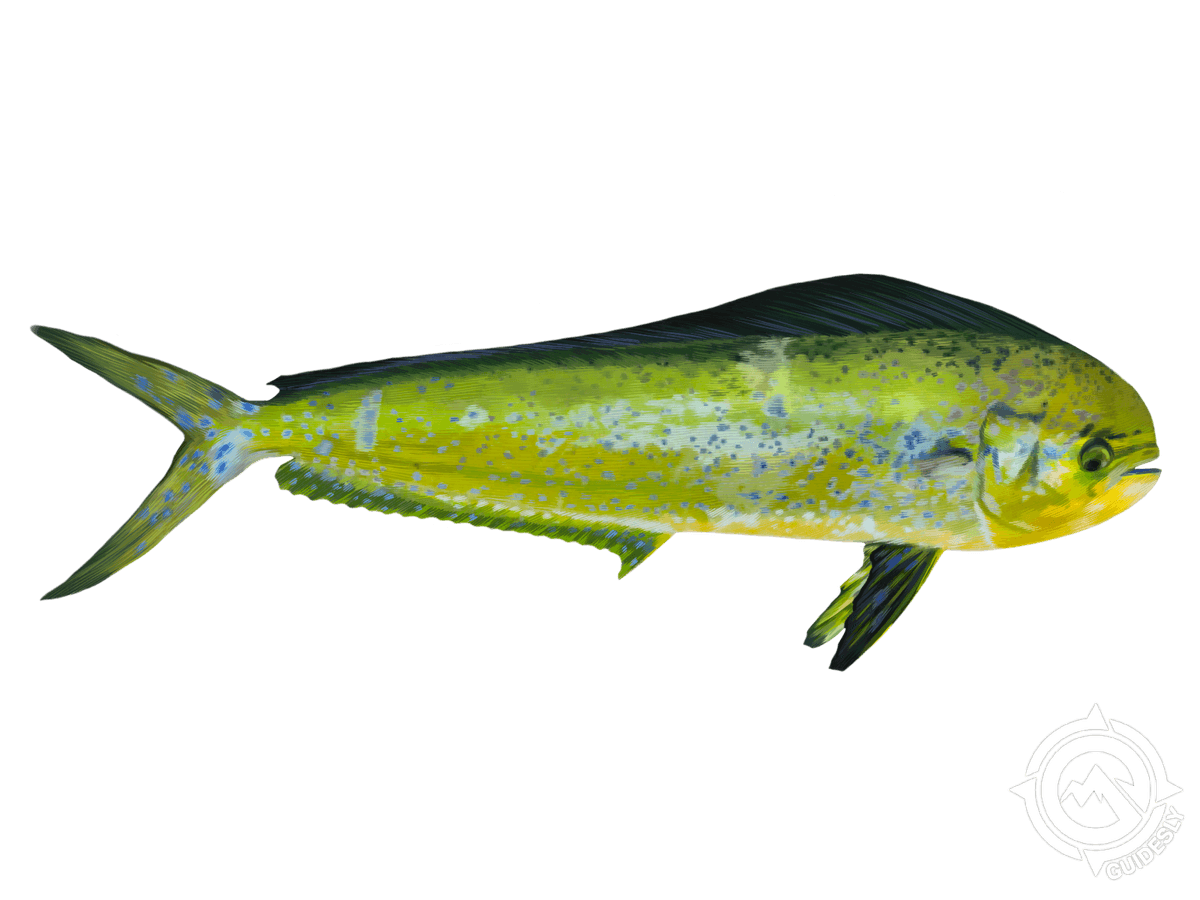
Cobia Mahi Mahi or Common Dolphinfish
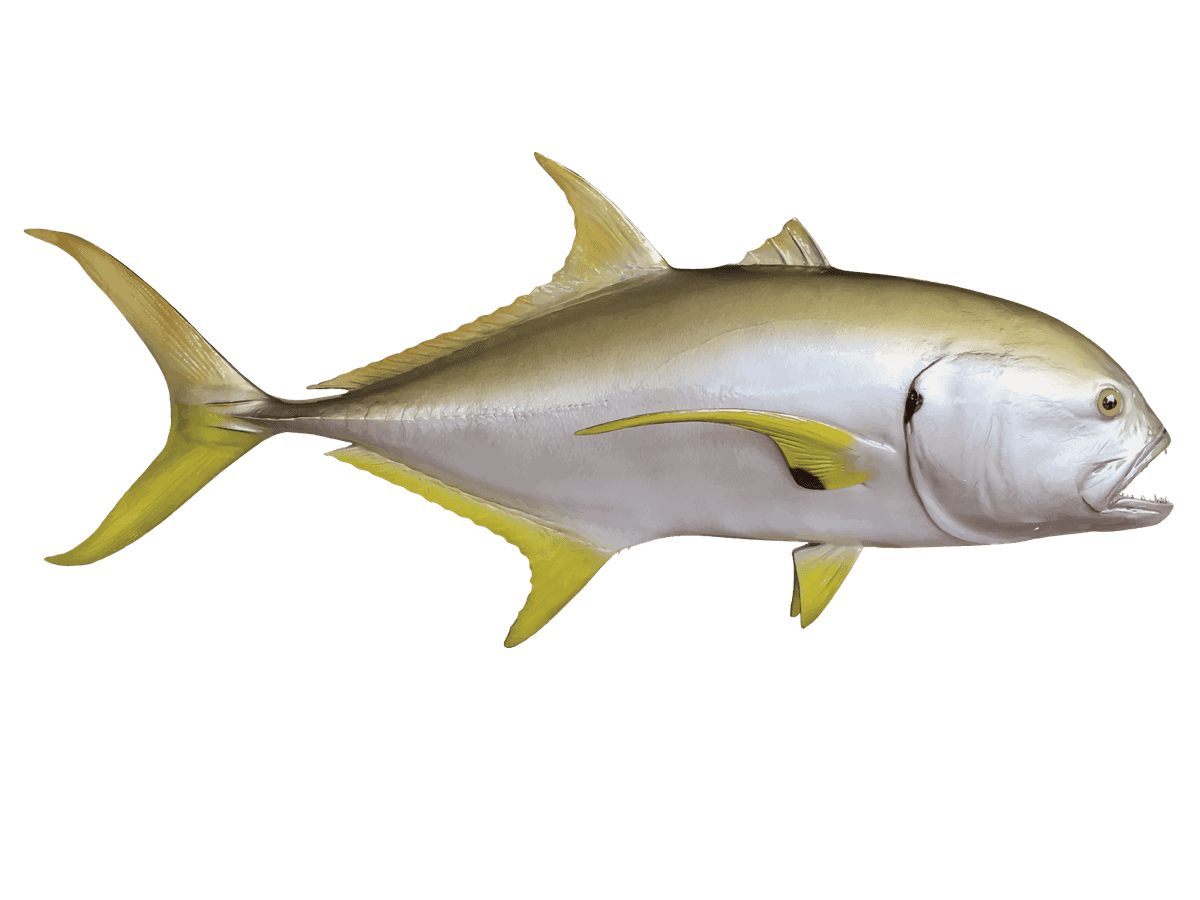
 Crevalle Jack
 King Mackerel
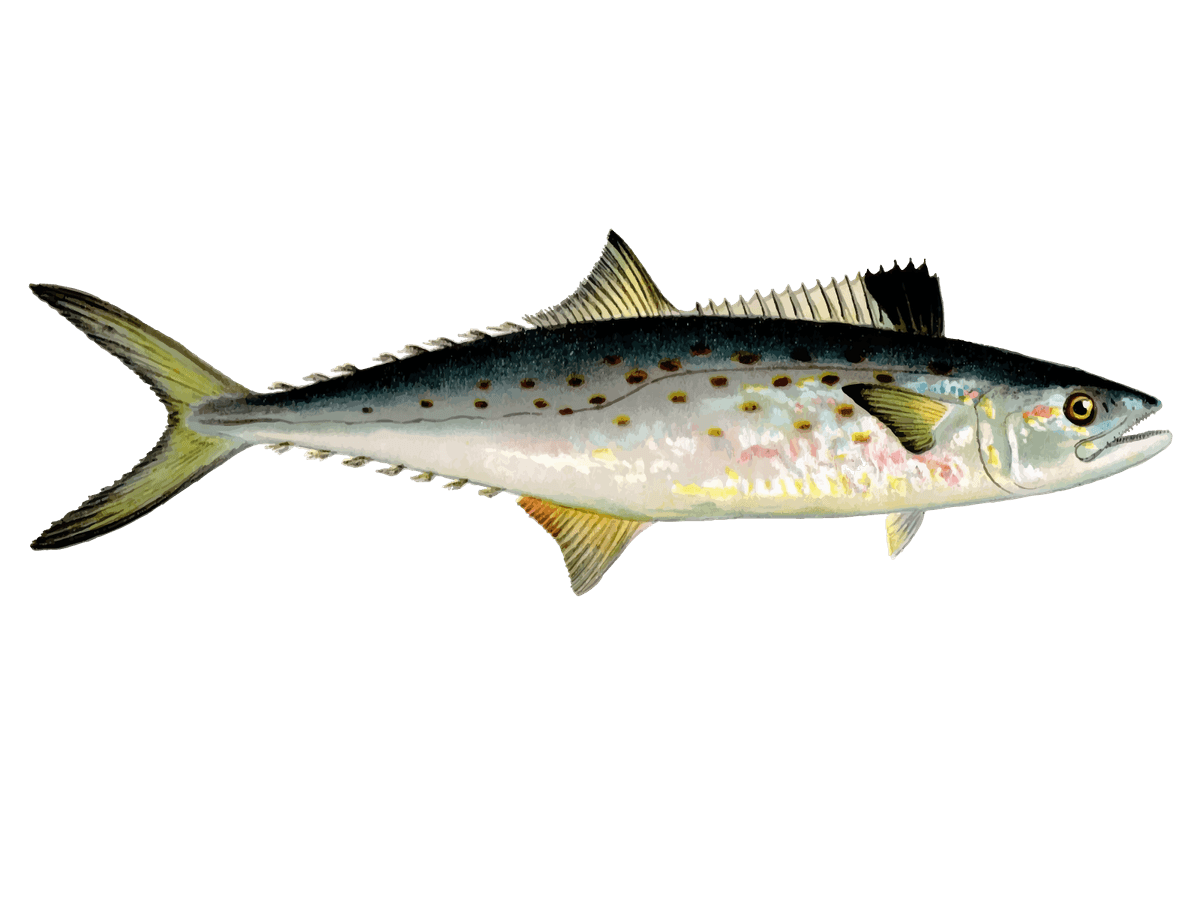
 Spanish Mackerel
- 6-hour Gulf fishing adventure targeting grouper and snapper
- Small 4-guest groups ensure personalized captain attention
- All fishing gear and expertise provided by experienced guides
Trip Pricing and Availabilities:
6-Hour Panama City Bottom Fishing Adventure
When you're serious about putting some real fish in the cooler, this 6-hour bottom fishing charter out of Panama City is exactly what you need. We're talking about a full day on the emerald waters of the Gulf, targeting some of the heaviest hitters that call these offshore waters home. With PCB Water Adventures, you'll get the extended time on the water that makes all the difference between going home with a few small ones and landing the kind of fish that make for great stories and even better eating.
What to Expect on the Water
This isn't your typical half-day quickie – we're giving you six solid hours to work the bottom structure where the big fish live. You'll be fishing with a small group of just four anglers max, which means plenty of elbow room and personalized attention from your captain. We head out to proven bottom spots where the structure holds everything from monster grouper to tasty snappers. The boat's equipped with quality rods, reels, and all the terminal tackle you'll need, but feel free to bring your own gear if you've got favorites. Pack your own snacks and drinks since we're not providing meals – trust me, you'll work up an appetite fighting these fish. Don't forget your sunscreen, hat, and sunglasses because six hours under the Florida sun is no joke.
Bottom Fishing Techniques
Bottom fishing here is all about reading the structure and knowing how to present your bait. We'll be using heavy tackle to get down to the 60-100 foot depths where these fish hang out around wrecks, ledges, and hard bottom. Circle hooks are the name of the game for most species – they hook fish in the corner of the mouth and reduce gut hooking, which is better for the fish and better for your dinner plate. We'll be dropping everything from live bait to cut bait, depending on what the fish are wanting that day. Your captain will teach you the feel for bottom fishing – knowing when you're on structure, recognizing the difference between a bite and getting hung up, and how to work a fish up from depth without losing it to the structure.
Species You'll Want to Hook
King Mackerel are the speed demons of this trip – these silvery torpedoes can hit 40+ pounds and will test your drag system like nothing else. They're most active in spring through fall, and when one hits your bait, you'll know it immediately. The run they make when first hooked is absolutely legendary, often peeling off 100+ yards of line in seconds. What makes kings so special here is Panama City's position along their migration route – we get them moving through almost year-round.
Mahi Mahi are pure eye candy both in the water and on the plate. These brilliant green and gold fish are acrobats when hooked, jumping and tail-walking across the surface. They typically run 10-25 pounds in our waters and are most common during the warmer months. Mahi travel in schools, so when you hook one, get ready – there are usually more down there. They're also some of the best eating fish in the Gulf, with firm white meat that's perfect for grilling.
Crevalle Jack might not win beauty contests, but they'll give you a workout you won't forget. These bulldogs of the Gulf are pure muscle and attitude, often fighting much harder than fish twice their size. They're year-round residents and can show up anywhere from 15-50 pounds. Jacks are perfect for anglers who want to feel their rod bend and their drag scream – they just don't quit.
Cobia are the gentlemen of the offshore world – curious, intelligent fish that often swim right up to the boat to check you out. They can reach impressive sizes, with 30-40 pounders not uncommon. Spring and fall are prime times for cobia, and they're known for their distinctive shark-like appearance and incredible table fare. They're also one of the few fish that might swim up to investigate the boat even when you're not targeting them.
Spanish Mackerel are the perfect fish for keeping the action going when the bigger species slow down. These smaller cousins to the kings are aggressive biters and excellent on light tackle. They typically run 2-5 pounds but make up for their size with numbers and willingness to bite. Spanish mackerel are also fantastic for smoking or making fish dip – many locals consider them better eating than their larger king mackerel cousins.
Time to Book Your Spot
Six hours on the water gives you the real offshore experience without breaking the bank or taking up your entire day. You'll have time to try different techniques, move between spots if needed, and really get into the rhythm of bottom fishing. The small group size means you're not fighting for space or waiting forever for your turn. Whether you're an experienced angler looking to target some specific species or a newer fisherman wanting to learn proper bottom fishing techniques, this trip delivers the goods. Book your spot with PCB Water Adventures and get ready to see why Panama City's offshore waters have such a solid reputation among serious anglers.
Learn more about the species
Cobia
Cobia are brown sharks that aren't sharks - solitary fish averaging 20-50 pounds that cruise reefs, wrecks, and structure in 30-100 feet. Spring migration brings the best fishing when they move through our waters heading north. What makes them special is they're sight-fishing targets you can actually see cruising near the surface, plus they're phenomenal table fare with firm, white meat. They fight strong and steady, not flashy but determined. Here's the key: when you spot one, cast well ahead of where it's swimming and work a bucktail jig or crab imitation slowly along the bottom. They're curious fish - sometimes they'll follow your boat, so keep a rod ready with a jig.
Mahi Mahi or Common Dolphinfish
Mahi are the most colorful fish you'll catch - golden sides with electric blue and green that change like a light show when they're hooked. Most run 15-30 pounds, but 40+ pounders show up regularly. They love floating debris, weed lines, and current breaks in blue water. Spring through early fall is prime time when they're thick offshore. What guests love is their acrobatic fight - they'll jump, tail-walk, and put on a real show. Plus, they're hands-down the best eating fish out here with firm white meat. My go-to trick is skipping ballyhoo or rigged squid on the surface near any floating stuff - frigate birds circling debris usually means mahi underneath.
Crevalle Jack
Crevalle Jack are the bulldogs of the flats - brassy green bruisers that average 3-15 pounds but can push 30+. They roam shallow grass beds, around structure, and in open water where they gang up on baitfish. You'll find them year-round, but spring and summer offer the hottest action when they're actively feeding. What makes them fun is their pure aggression - they'll crush topwater lures and fight dirty with powerful runs. They're not great table fare, but the sport is addictive. Best tip I can give: watch for diving birds, then look for the silver flashes underneath. Cast past the school and burn your lure back fast - they love the chase and won't back down from anything.
King Mackerel
King Mackerel are one of the fastest fish in the Gulf, averaging 15-30 pounds but capable of hitting 50+ pounds. These silver torpedoes with razor-sharp teeth cruise open waters from 40-150 feet deep, often around structure or current breaks. Spring through fall offers the best action when they're feeding heavily on baitfish. What makes them special is their blistering runs - they'll strip line like nothing else and test your drag system. The meat is excellent grilled or blackened, though watch the mercury if you're pregnant. Pro tip: use a wire leader and let your bait skip on the surface when trolling - kings love to smash baits from below and that surface action drives them crazy.
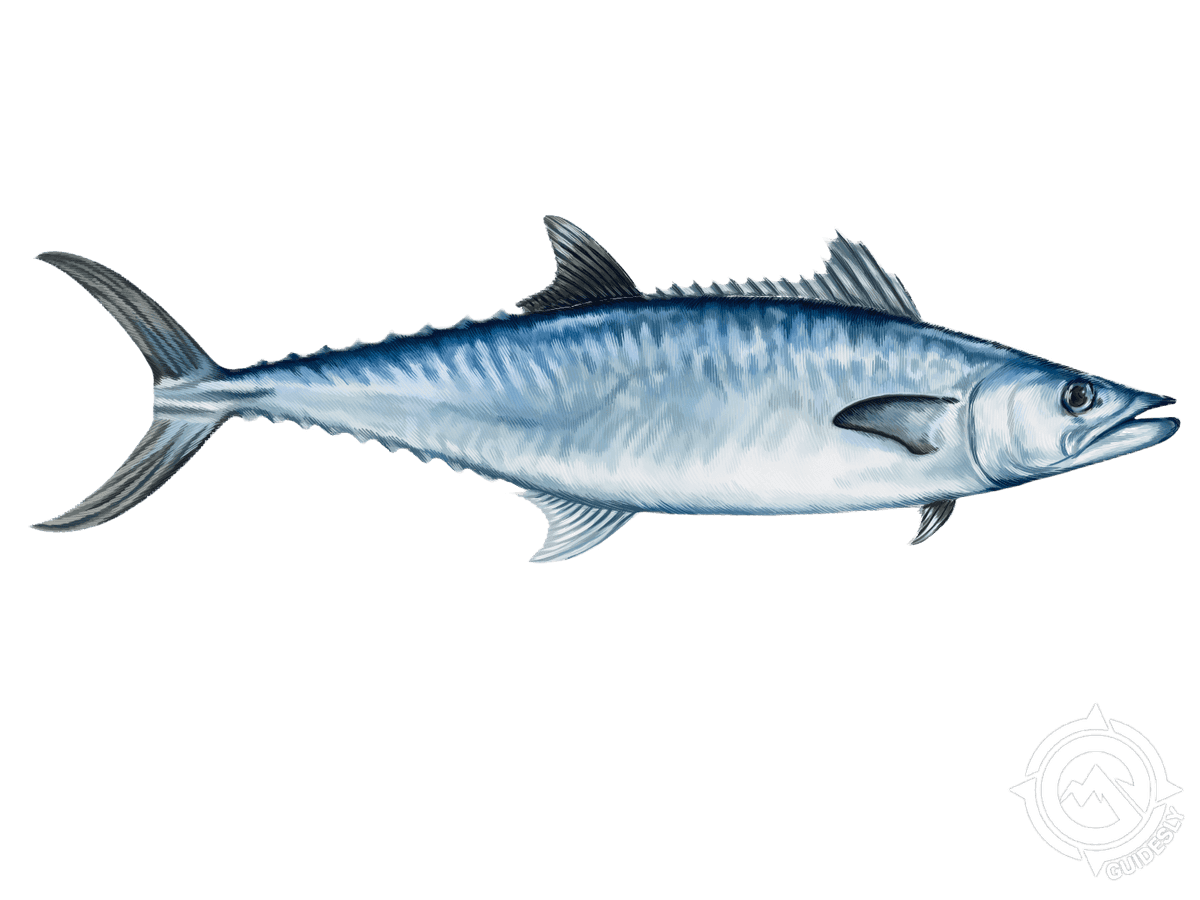
Spanish Mackerel
Spanish Mackerel are silver speed demons with yellow spots, typically running 1-3 pounds but fighting way above their weight class. They school up in 10-40 feet around structure, grass flats, and nearshore reefs. Fall and spring offer the hottest bite when they're thick feeding on baitfish. Guests love their aggressive strikes and the way they peel drag on light tackle. They're also fantastic eating - mild, flaky meat that's perfect grilled or smoked. The secret is keeping your lures small and moving fast. Use 1/4 ounce jigs with small plastics or tiny spoons, and don't slow down your retrieve. When you hook one, keep working the school - where there's one Spanish, there's usually fifty more ready to bite.
About the
%2F%2Fusers%2F42640adc-5a83-4206-8b52-8d4517248eef%2Fboat_picture%2F1.jpg&w=1200&q=75)
Vehicle Guest Capacity: 6
Manufacturer Name: Yamaha
Maximum Cruising Speed: 40
Number of Engines: 2
Horsepower per Engine: 150